
Affiliate marketing has grown into a popular way to generate income online, and setting up a solid foundation is key. I’ve stumbled upon that building an affiliate marketing system requires careful planning and execution. In this article, I’ll share essential strategies that will help you develop a strong foundation, ensuring long-term success in your affiliate marketing journey.

Niche Clarity & Audience Understanding
Finding the right niche is the first step in laying a strong foundation for affiliate marketing. I believe it’s important to select a market where you actually have some knowledge and can add genuine value. You want to focus on niches that address specific problems and genuine needs, not just those with high commissions.
This involves checking out your target audience in depth. Ask yourself who would benefit from the products or services you plan to promote. Understanding the pain points, desires, and behaviors of your target market is very important. When you truly know your audience, your content and promotions resonate more, leading to higher conversions.
For example, if you’re passionate about fitness and wellness, instead of a broad approach, you might narrow your focus to promoting products that help busy professionals stay fit. Tools like Google Trends, Reddit forums, and SEMrush can provide valuable insights into what your audience is searching for and discussing online.
Embracing a well-defined niche not only helps tailor your content but also builds trust and authority over time. When people recognize that you understand their needs, they’re more likely to follow your advice and click on your recommendations.
To add further clarity, it’s beneficial to create customer personas that represent your ideal audience. These detailed profiles can guide your content creation and product recommendations, ensuring that you remain aligned with the real interests and needs of those you wish to serve.
Quality Affiliate Programs & Networks
Choosing the right affiliate programs is one of the most impactful decisions you will make. I always recommend selecting trustworthy networks such as ShareASale, Impact, or CJ. These platforms often offer fair commissions and transparent terms that protect your interests.
Commission rates are only one factor. Other important factors to consider include the Earnings Per Click (EPC), cookie duration, and support availability. Programs with a higher EPC mean that the traffic you drive is more likely to convert at a profitable rate. Meanwhile, a longer cookie duration can give you a better chance at earning commissions even if potential customers don’t purchase immediately.
When you research affiliate networks, you may notice that some don’t treat affiliates fairly. Delayed payments and unclear policies can make your efforts feel fruitless. Taking the time to read reviews and test customer support can save you from future headaches. A partnership with reliable programs helps build your reputation and smooth the way for your income potential.
It’s also worthwhile to compare commission structures and bonus programs across different networks. By mapping out how each program operates, you can decide which ones best align with your long-term goals. Investing some extra time in this stage can provide a very important boost to your overall strategy later on.

Personal Branding + Authority Building
In affiliate marketing, your personal brand is your biggest asset. I’ve found that establishing trust by presenting yourself as an expert in your niche makes all the difference. Sharing personal experiences and success stories can create an authentic connection with your audience.
Use content to share your journey. Whether it’s detailed tutorials, product reviews, or behind-the-scenes looks into your work, consistency is key. Stick to clear content pillars that show off your expertise and build authority over time. This sense of trust is what makes your audience more likely to click on your affiliate links and purchase the products you recommend.
Remember that your voice and presentation can be just as important as the products you endorse. When visitors see a consistent style across your website or social channels, they come to trust your advice. Being visible and sharing your story helps solidify your standing as someone who truly understands the niche.
Additionally, consider expanding your influence by engaging in interviews, podcasts, or webinars. These activities not only give you the opportunity to share valuable insights but also help in building a network of peers and potential collaborators. Over time, this network can lead to guest posting opportunities and co-branded ventures that further solidify your authority.
High-Converting Website or Funnel
Your website or landing page acts as the hub for your affiliate marketing efforts. I always stress the importance of building a high-converting site that guides visitors smoothly toward a call-to-action. A clean, easy-to-navigate website can be the difference between a click that converts and one that bounces away.
Focus on creating a fast, responsive site optimized for mobile use. A cluttered or slow website can quickly turn off potential customers. From the layout to the content, every element should be designed to foster trust and improve user experience. I’ve noticed that minimalistic designs with clear navigation lend themselves best to conversion.
Furthermore, consider implementing tools for search engine optimization (SEO) and conversion rate optimization (CRO) right from the start. These practices will improve organic traffic and help refine your sales funnel as you gather more data on user behavior.
It is also recommended to add interactive elements such as live chat support or clear call-to-action buttons that encourage user engagement. Regularly updating your website with fresh content, testimonials, and case studies can really help in converting visitors into loyal customers. Every adjustment made based on user feedback goes a long way in improving the performance of your site.
SEO and Content Strategy
 Organic traffic is a steady and sustainable way to generate leads, and no affiliate system can thrive without it. I’ve seen that focusing on a robust SEO and content strategy pays off in the long run. Quality content that meets the needs of your audience boosts your search engine rankings and keeps your traffic growing without constant spending on advertising.
Spend time researching buyer-intent keywords. Questions like “best [product] for [problem]” or comparisons such as “product A vs product B” are goldmines because they signal that the searcher is ready to purchase or deeply research options. Use these insights to craft detailed reviews, comparison guides, and how-to articles that naturally incorporate your affiliate links.
Building a content calendar can also help you stay consistent. Regular blog posts, video reviews, and even networking posts on social media all contribute to establishing your site as a resource hub. I find that when you solve real problems through practical content, your efforts start to compound over time.
Another effective strategy is to repurpose content across different formats. For instance, a comprehensive blog post can be transformed into an engaging video or an informative infographic. This not only maximizes the value of your content but also helps you reach a broader audience.
Email List & Lead Magnets
For any affiliate marketer, owning your own audience is a game-changer. One of the best ways to do this is by building an email list. This list allows you to re-market, upsell, and keep your audience engaged, independent of any platform changes on social media.
Offering a useful lead magnet such as a free eBook, checklist, or mini-course is a smart move. These freebies provide value immediately, while also establishing your credibility. I’ve seen emails with personalized sequences that use tag-based segmentation accomplish much more than generic blasts.
Email marketing gives you direct access to your most interested prospects. Once they join your list, you can nurture these leads by delivering tailored content and exclusive offers, keeping your audience connected to your brand and constantly reminded of your expertise.
To further solidify your email strategy, consider segmenting your list based on customer behavior and past purchases. By doing so, you can send more targeted campaigns that address specific interests, leading to improved engagement and conversion rates over time.

Traffic Mastery (Paid + Organic)
Driving consistent traffic is key to earning commissions. Whether you focus on paid advertising or organic strategies, understanding your traffic sources and their behavior is super useful. I often recommend starting with the strategy that best aligns with your current strengths and budget, then mix in some variety as you gain experience.
Organic traffic channels, like SEO and social media, are cost-efficient and tend to drive long-term visitors. On the other hand, paid channels such as Google Ads, Facebook campaigns, or YouTube advertisements can offer quick wins when you’re looking to boost traffic rapidly.
A balanced approach is best. Identify one main traffic source, master it, then expand into other channels. This not only helps in testing what works best for your niche but also secures multiple avenues for attracting interested prospects. A mix of paid and organic methods can ensure that if one source dips, others keep your traffic steady.
It may also be beneficial to periodically review your advertising campaigns and adjust your budgets. Testing new ad creatives and monitoring performance metrics on a regular basis will help you streamline your spending and maximize return on investment.
Tracking, Analytics, & Split Testing
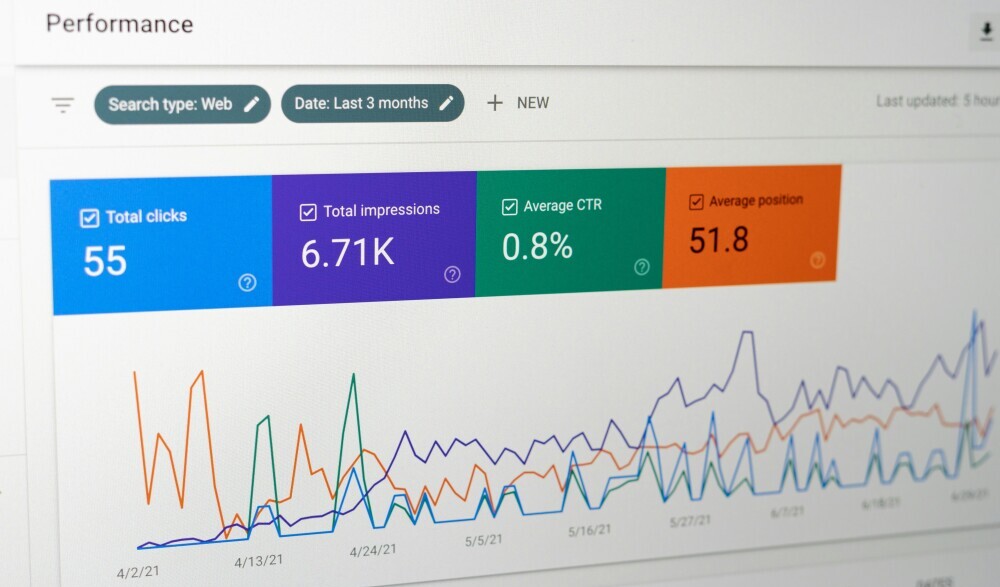
Understanding how your audience interacts with your website can improve your affiliate marketing returns in a big way. I rely on tools like Google Analytics and Hotjar to track engagement, measure conversions, and pinpoint where visitors drop off in the process.
This data is invaluable when working on improving your marketing funnel. Split testing allows you to experiment with different content layouts, call-to-action placements, and headline variations. With clear data in hand, making informed decisions becomes much simpler.
It’s important not to panic if something isn’t working. Market trends and customer behaviors switch up over time, so continual testing and optimization are essential. Tracking your performance closely lets you adjust your strategy in real time, ensuring that every change you make is backed by solid evidence.
Additionally, consider setting up custom dashboards to monitor key performance indicators. This practice can shed light on patterns that might otherwise be overlooked, enabling you to fine-tune every aspect of your funnel for maximum efficiency.
Compliance & Legal Setup
Trust and transparency are the bedrock of affiliate marketing. I make sure that my site follows all legal requirements—from disclosing affiliate relationships according to FTC guidelines to establishing a clear privacy policy and terms of use. This protects both you and your audience.
Using standardized templates from trustworthy sources or consulting with a legal professional can help you avoid potential pitfalls. Clear disclosures not only build trust but also keep your promotional activities on the right side of the law. By handling these legal concerns upfront, you’ll create a more secure environment for your readers.
Your visitors will appreciate the honesty and transparency. Knowing that you’re not hiding your affiliations adds an extra layer of reliability to your recommendations. This commitment to legal compliance often leads to improved conversions and a long-lasting relationship with your audience.
Sustainability & Evergreen Systems
Creating a system that works for you around the clock is key to scaling your affiliate marketing efforts. This means establishing evergreen content that continues to drive traffic and automated processes that require little day-to-day involvement.
Strategies like batch-creating content or automating email follow-ups can save time and preserve your energy for higher-level tasks. I enjoy setting up systems that run continuously, generating income even when I’m not actively working on them.
Evergreen content includes all-in-one guides, tutorials, or product reviews that remain relevant over time. Pair this with retargeting ads and automated newsletters, and you have a resilient setup that continuously nurtures leads and garners affiliate clicks. This balanced approach not only increases efficiency but also allows you to focus on growth without sacrificing the quality of your work.
Also, consider recycling your successful content by updating it with new data and refreshing the design. This method not only gives your older posts new life but also reinforces your site’s authority as trends shift and evolve in the digital landscape.

Frequently Asked Questions
Question: What is the best way to choose a niche for affiliate marketing?
Answer: It all starts with passion and understanding where you can add value. Research what people are discussing online, check out trends using tools like Google Trends, and ensure that the niche has a clear target audience with real needs. A focused niche leads to better engagement and higher conversion rates.
Question: How important is my website design to affiliate marketing?
Answer: A well-designed, fast, and user-friendly website is essential. It not only builds trust but also guides visitors effectively towards your calls to action. Optimizing for mobile and ensuring clear navigation can make a significant impact on your conversion rates.
Question: Should I rely more on organic traffic or paid ads?
Answer: Both have their place. Organic traffic builds a sustainable flow of visitors over time, while paid ads can provide quick boosts. I find that a mix of both tailored to your niche and resources works best. Start with one, master it, and gradually experiment with additional sources.
Question: How do I remain compliant with legal regulations?
Answer: Follow FTC guidelines closely and include necessary disclosures on every page that features affiliate links. Keeping your privacy policy and terms of use updated is also critical to staying legally safe and building trust with your audience.
Conclusion
Building your affiliate marketing foundation isn’t about chasing quick wins. It is about putting in consistent effort, understanding your niche deeply, and creating reliable systems that continue to work for you. By focusing on a clear niche, selecting quality affiliate programs, and mastering SEO and content strategies, you can create a resilient structure that is built to last.
Remember, every step—from defining your audience to ensuring legal compliance—plays a role in increasing both your credibility and earnings. When you integrate meaningful content, robust tracking, and effective lead-generation systems, success gradually follows.
Your ongoing efforts in refining your strategies, testing new ideas, and updating your methods will keep your affiliate marketing system next stage ready for future challenges. Take time to review your progress periodically and adjust your plans accordingly. Over time, these small improvements add up to significant results.
Bottom line. Consistency, transparency, and a willingness to adapt are the key elements that transform affiliate marketing into a reliable income stream. Start small, adjust continuously, and eventually, you’ll have a sustainable system that works day in and day out.
